The Steel Manufacturing Process Explained: From Iron Ore to Finished Product

Steel plays an essential role in shaping our modern world, forming the backbone of bridges, vehicles, buildings, and countless other structures. Behind every sheet, beam, and coil lies an intricate steel manufacturing process that transforms raw iron ore into one of the most dependable and versatile materials ever developed by humankind. Understanding this transformation helps us appreciate the technology, precision, and expertise involved in creating steel that supports progress across industries.
This article outlines how raw materials are refined and converted into high-quality steel for diverse modern applications.
Understanding the Steel Making Process
The steel making process is a combination of chemistry, heat, and precision.
It involves refining iron, removing impurities, and controlling the carbon content to produce steel of different grades and properties.
At its core, the process can be divided into six key stages:
- Ironmaking
- Steelmaking
- Secondary refining
- Casting
- Rolling
- Finishing
Let’s explore how each step turns raw ore into a finished product.
Step 1: Ironmaking – Extracting Iron from Nature
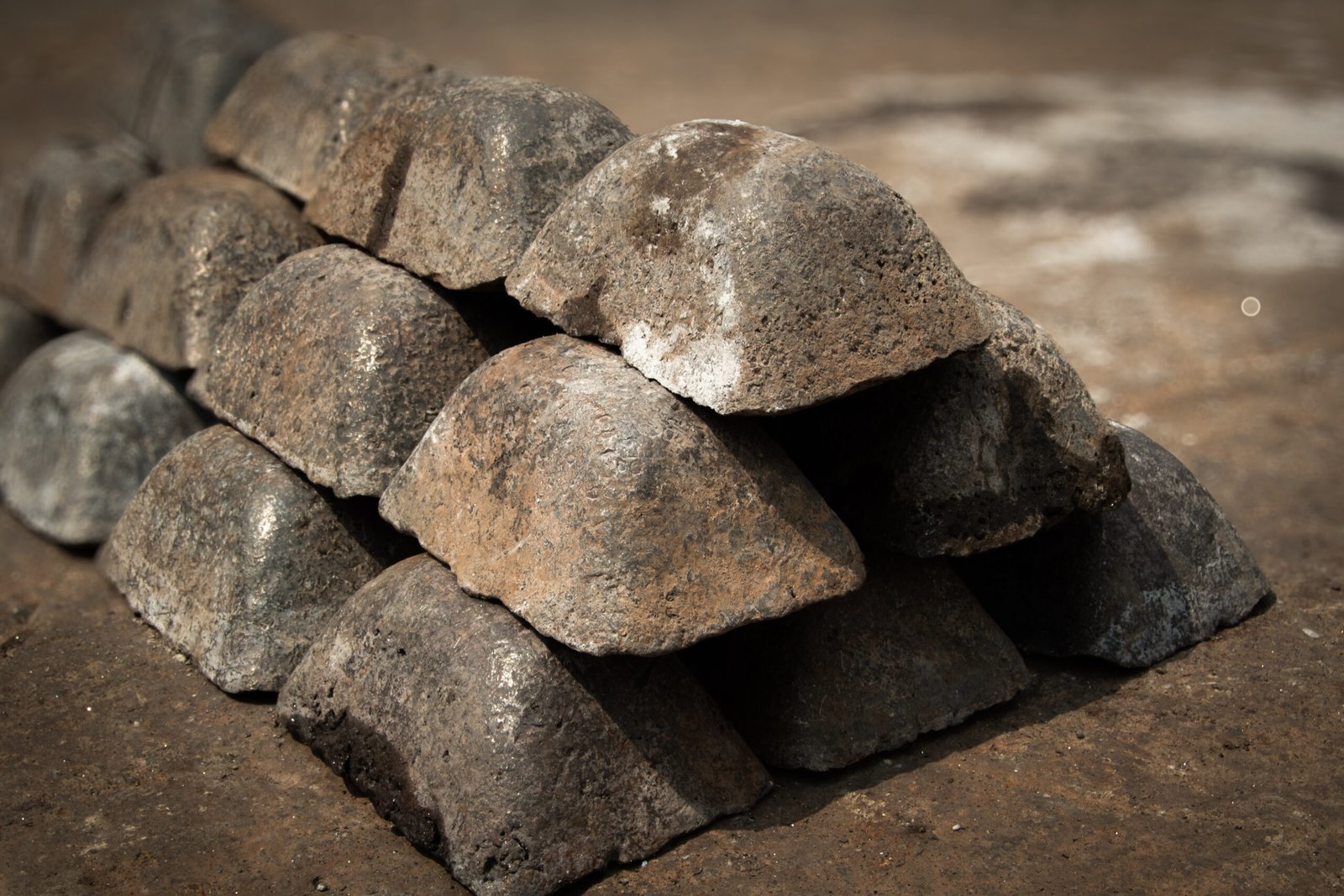
The journey begins inside the blast furnace, where a mixture of iron ore, coke, and limestone is subjected to very high temperatures. In this process, coke serves as both the fuel and the reducing agent, while limestone helps remove impurities in the form of slag. The outcome is molten iron, commonly known as pig iron, which forms the foundation for the next stage of steel production.
Step 2: Steelmaking – Refining Iron into Steel
Because pig iron contains excess carbon, it must be refined before use. In the Basic Oxygen Furnace (BOF) or Electric Arc Furnace (EAF), oxygen is introduced into the molten metal to remove carbon and other impurities. This process converts iron into steel with improved strength, ductility, and workability.
Step 3: Secondary Refining – Refining the Mix
There is a formula for each form of steel.
At this point, alloying elements like manganese, nickel, or chromium are added to produce certain qualities such as corrosion resistance or great strength.
This refining process makes sure the steel conforms to precise industry standards.
Step 4: Casting – Liquid to Solid
It is then cast into a continuous casting machine where it solidifies and cools into half-finished products such as blooms, billets, or slabs.
This creates uniformity, quality, and little waste — the basis for rolling.
Step 5: Rolling – Shaping the Steel
Once solidified, the steel is heated again and passed through rollers to achieve the desired thickness and surface finish.
- Hot Rolled Coils (HR): made at high temperature — used in construction and heavy engineering.
- Cold Rolled Coils (CR): processed at room temperature — ideal for appliances, automotive panels, and precision parts.
Evonith Steel’s advanced rolling mills ensure smooth surfaces, exact dimensions, and superior mechanical strength.
Step 6: Finishing and Quality Control
After rolling, the steel undergoes pickling, coating, trimming, and inspection.
Every product is tested for tensile strength, thickness uniformity, and chemical composition before it reaches customers.
At Evonith Steel, each coil and sheet reflects years of experience, quality standards, and technological excellence.
Evonith Steel Leading the Way in Quality and Innovation
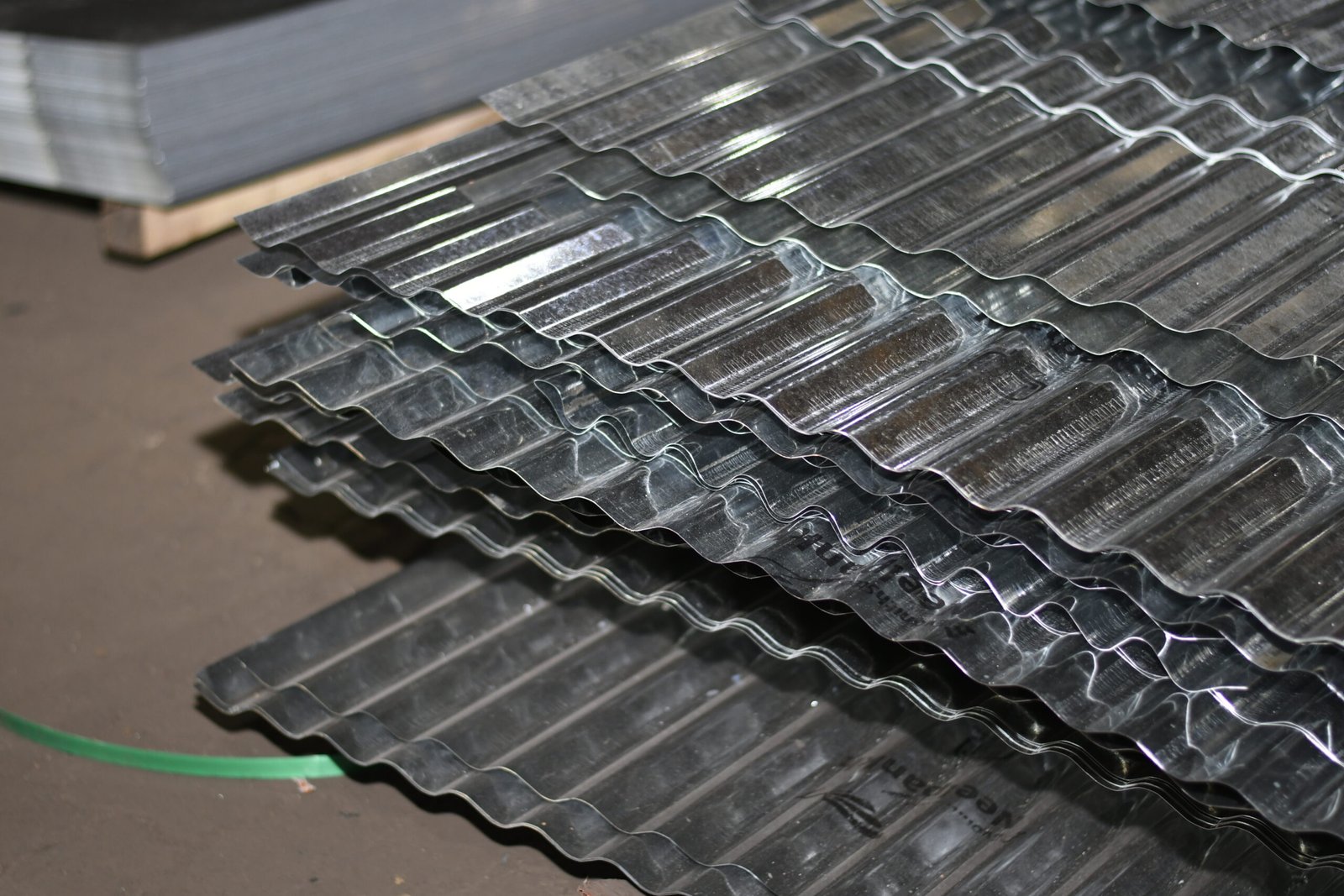
Steel manufacturing today isn’t just about strength but about sustainability. Every single product being produced by Evonith Steel is the product of meticulous engineering and a thorough knowledge of the changing requirements of the present industry. The company produces a wide range of high-quality products, including pig iron, galvanized steel coils and sheets, and hot and cold rolled coils, all manufactured using advanced production facilities. Each and every product being manufactured by Evonith Steel is the result of careful engineering and a deep understanding of the evolving needs of modern industry.
The firm produces a diverse range of high-quality products, ranging from pig iron to galvanized steel sheets and hot and cold rolled coils, which are backed by cutting-edge manufacturing facilities and years of experience. To ensure strength, uniformity, and performance, each product undergoes an extensive testing and quality control process. Aside from creating high-quality products, Evonith Steel also embraces sustainable manufacturing practices, continuous innovation, and customer-centric solutions which build trust and drive industries such as infrastructure, auto, and building.
Conclusion
From iron ore to finished product, the steel manufacturing process is an extraordinary blend of science, technology, and craftsmanship.
From smelting to rolling, every step contributes to steel’s strength, versatility, and timeless value.
Whether you need HR coils, CR coils, or galvanized steel sheets, you can trust Evonith Steel steel to deliver products that stand for reliability, strength and sustainability.