Hot Rolled Vs Cold Rolled Steel: Differences And Applications

Choosing the right type of steel is a critical decision for engineers, manufacturers, and builders. The performance, durability, and cost of any project often depend on whether hot rolled steel or cold rolled steel is used. While both products originate from the same raw material, the difference lies in their rolling process, which directly impacts their surface finish, strength, and applications.
Here’s a clear comparison of hot rolled vs cold rolled steel stating their differences, applications, and how to select the right option.
What is Hot Rolled Steel?
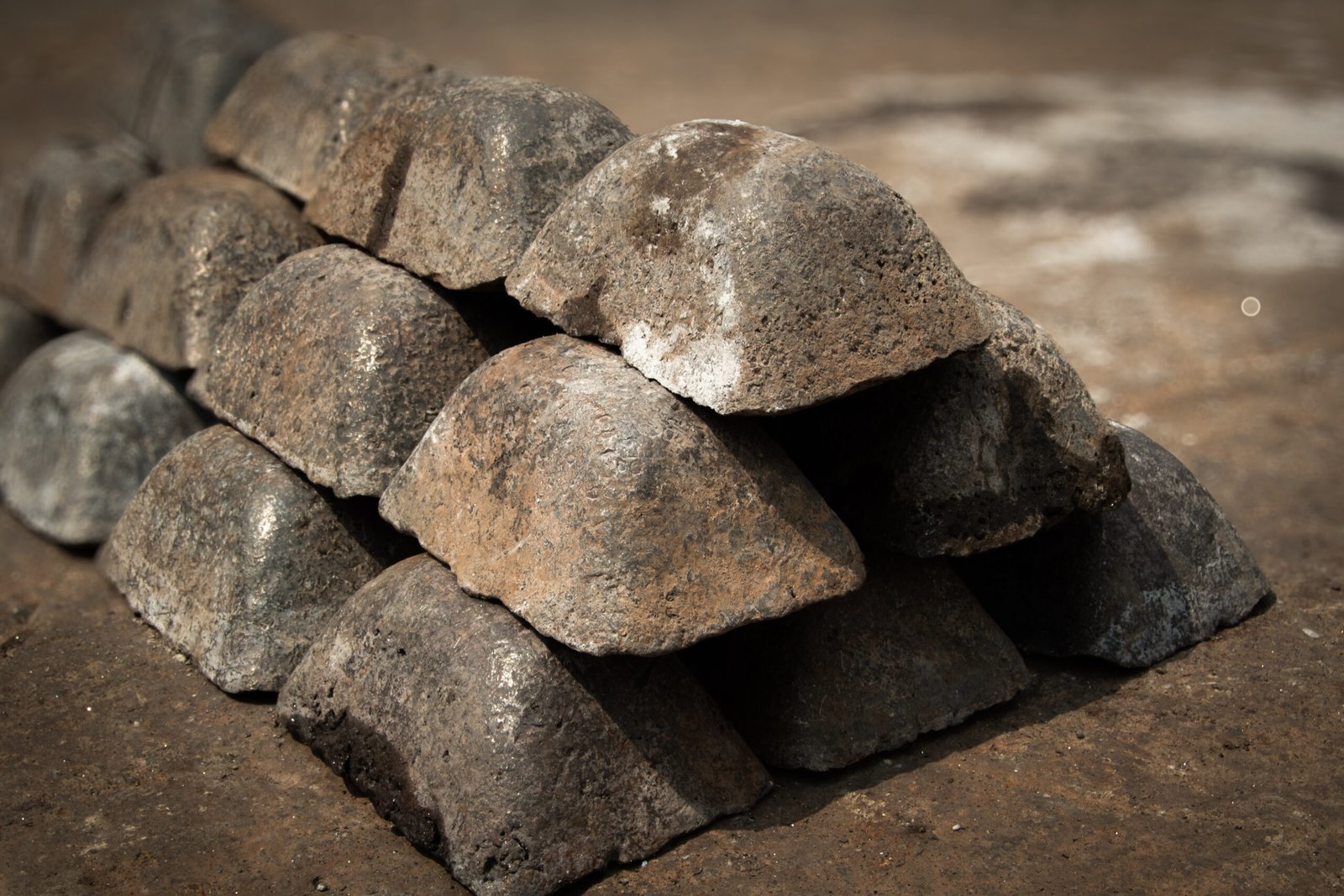
Hot rolled steel is manufactured by rolling steel at extremely high temperatures, usually above 900°C. At this temperature, the steel becomes more malleable and can be shaped into a wide range of forms such as coils, sheets, plates, and structural sections. Because the steel cools naturally after processing, its surface tends to have a rough, scaled finish, and the dimensions are less precise compared to cold rolled steel.
Despite these characteristics, hot rolled steel is highly valued for its strength, ductility, and cost-effectiveness. It is easy to work with, making it a preferred choice in industries that require large volumes of steel where exact tolerances are less critical.
Common applications of hot rolled steel include:
- Construction beams, columns, and frames
- Railway tracks and infrastructure
- Pipelines, pressure vessels, and industrial structures
- Heavy machinery and equipment manufacturing
At Evonith Steel, our hot rolled products are trusted across infrastructure, transportation, and industrial projects for their durability, versatility, and reliable performance.
What is Cold Rolled Steel?
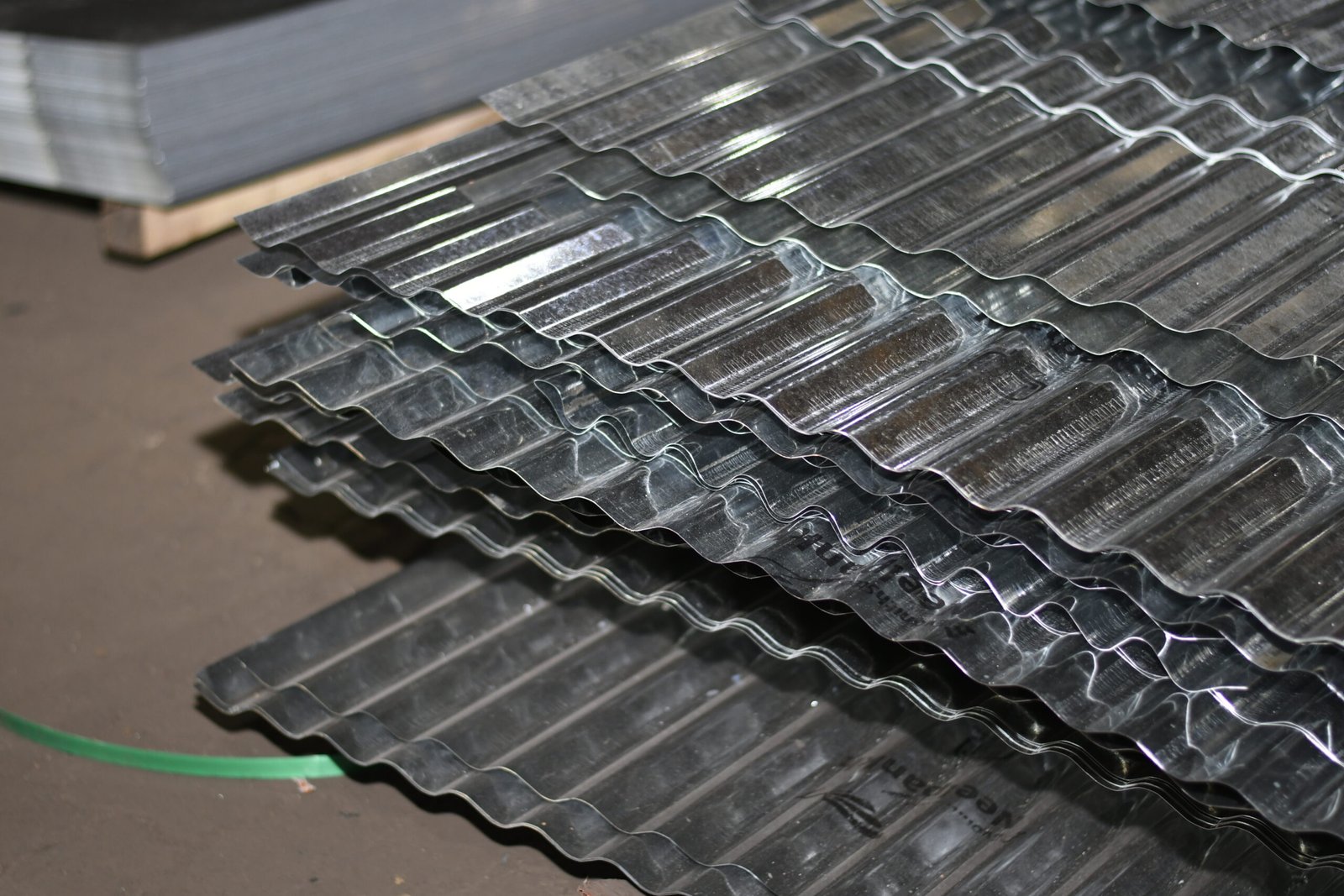
Cold rolled steel is produced by taking hot rolled steel and further processing it at room temperature through cold reduction mills. This additional step improves its surface finish, enhances strength, and ensures more precise dimensional accuracy. Compared to hot rolled steel, cold rolled steel has a smoother, cleaner finish and comes in thinner sizes, making it ideal for projects where appearance and precision are important.
The cold rolling process also increases hardness and tensile strength, which makes the steel more durable but slightly less ductile compared to hot rolled steel. As a result, it is often chosen when tighter tolerances, higher strength, or a clean surface finish are required.
Common applications of cold rolled steel include:
- Automotive components and body panels
- Home appliances and furniture
- Electrical goods and precision instruments
- Metal roofing, siding, and architectural applications
At Evonith Steel, our cold rolled products are widely used by industries that demand superior surface quality and consistent performance, helping customers achieve efficiency without compromising on strength.
Conclusion
Hot rolled and cold rolled steel each have their own advantages. For large-scale projects where strength and affordability matter, hot rolled steel works best. But if your project needs a cleaner finish, greater precision, and tighter control, cold rolled steel is the way to go.
Choosing between hot rolled and cold rolled steel comes down to your project needs. With Evonith Steel’s range of hot rolled and cold rolled products, you get the best of both worlds, offering high-quality steel solutions tailored for performance, durability and reliability. Whatever your industry, we’re here to deliver the right material for the job. Backed by decades of expertise, Evonith Steel continues to support industries with innovation and trust.