What is Pig Iron? Key Properties and Applications in Industry
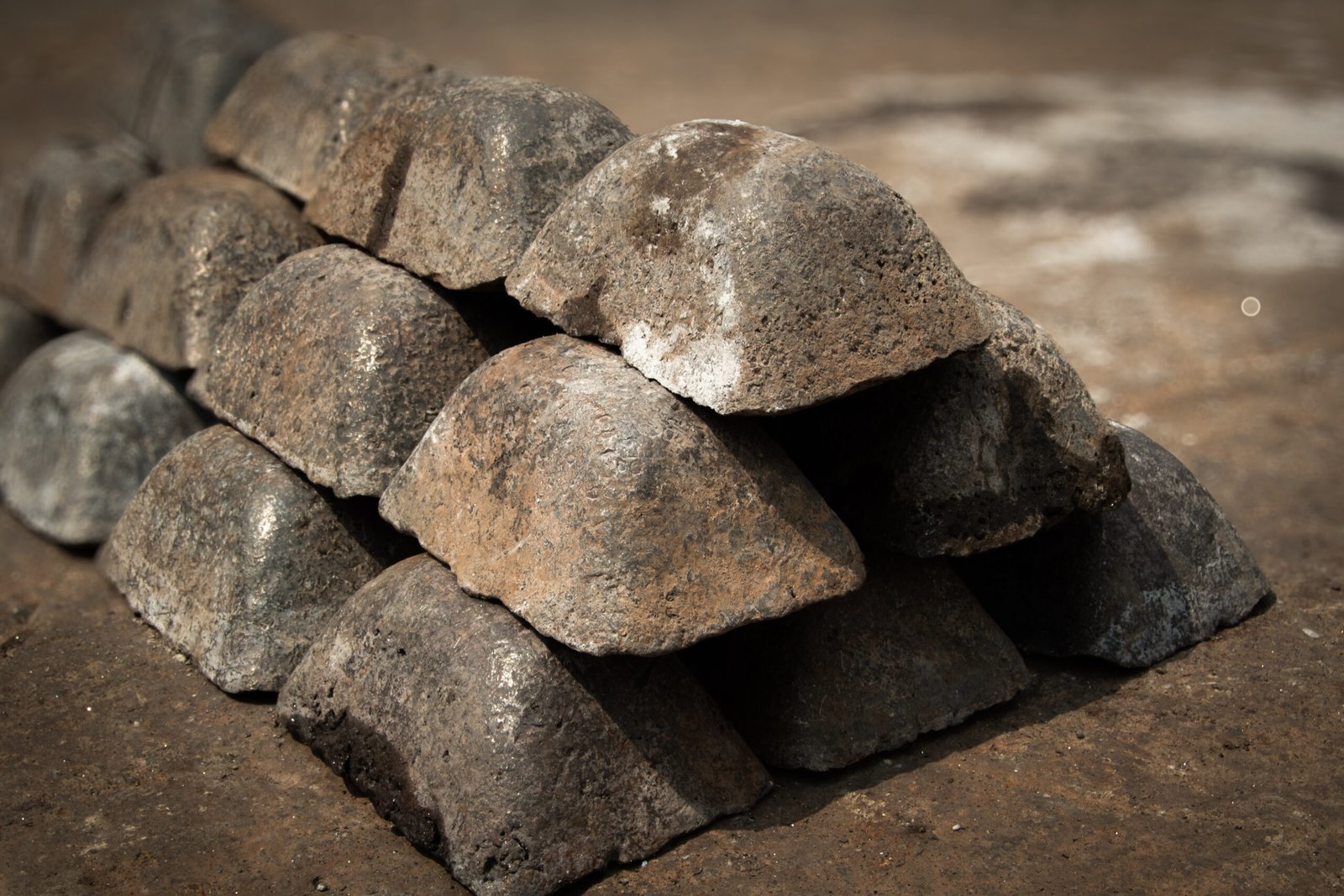
Pig iron is one of the oldest and most fundamental products in the iron and steel industry. Despite its simple appearance it forms the backbone of modern steelmaking. In this article, we’ll explore what pig iron is, how it is made, its carbon content, properties, and diverse applications, with a look at how Evonith Steel ensures consistent quality in its pig iron production.
What is Pig Iron?
Pig iron is an intermediate product of the iron industry, also known as crude iron. The name “pig iron” comes from the traditional casting method, where molten iron was poured into sand molds with channels resembling piglets feeding from a sow.
How is Pig Iron Made?
Pig iron is produced in large blast furnaces, where iron ore, coke, and limestone are charged together. The process works as follows:
- Coke, serving as both fuel and a reducing agent, reacts with oxygen to form carbon monoxide.
- This carbon monoxide reduces the iron ore to molten iron.
- Limestone acts as a flux, binding impurities into slag that floats on top of the molten metal.
Carbon Content in Pig Iron
One of the most defining aspects of pig iron is its high carbon content, typically ranging between 3.5% and 4.5%. This is much higher than in steel, which usually contains less than 2% carbon.
High carbon makes pig iron:
- Brittle, it cannot be forged or welded like steel.
- Easily castable, the molten metal flows readily into molds, which is why pig iron is often used for casting.
- Unsuitable for structural use, but excellent as feedstock for further refining into steel or cast iron.
Pig Iron at Evonith Steel
Evonith Steel produces high-carbon pig iron using a modern blast furnace, ensuring a consistent composition and high purity, qualities essential for steelmaking and foundry applications. With a carbon content of 3.5–4.5%, Evonith Steel’s pig iron is the foundational raw material used in the conversion of iron ore into durable steel and is trusted by foundries and integrated steel plants alike. The company delivers over 215,000 tonnes annually, serving more than 90 customers across 10+ emerging states in India. This scale demonstrates Evonith Steel’s capability to support industrial demand with reliability and precision.
Properties of Pig Iron
Pig iron properties, including its hardness, brittleness, and high carbon content, make it an essential starting material in steelmaking. Its comparatively low melting point allows easier refining, while impurities such as silicon, sulfur, and manganese affect its performance in foundry applications.
Applications of Pig Iron
- Foundry Applications: Foundries melt pig iron to produce cast iron, which is used to make pipes, machines and automotive parts.
- Alloy production: It is used to produce different alloys. By combining it with other metals, manufacturers can create alloys with specific properties, such as increased strength or corrosion resistance.
- Cast Iron production: Pig Iron can be remelted and mixed with scrap iron and other alloys to produce cast iron, which is used in pipes, automotive components, due to its excellent fluidity and castability.
Conclusion
Pig iron may be an intermediate product, but without it, modern steelmaking would not exist. Whether you’re involved in metal production, manufacturing or simply curious about industrial processes, knowing about pig iron gives you insight into one of the foundational materials of modern industry.
As industries evolve and demand higher quality, Evonith Steel continues to deliver pig iron that meets stringent standards, ensuring it remains the trusted foundation for steelmaking, casting, and beyond.